
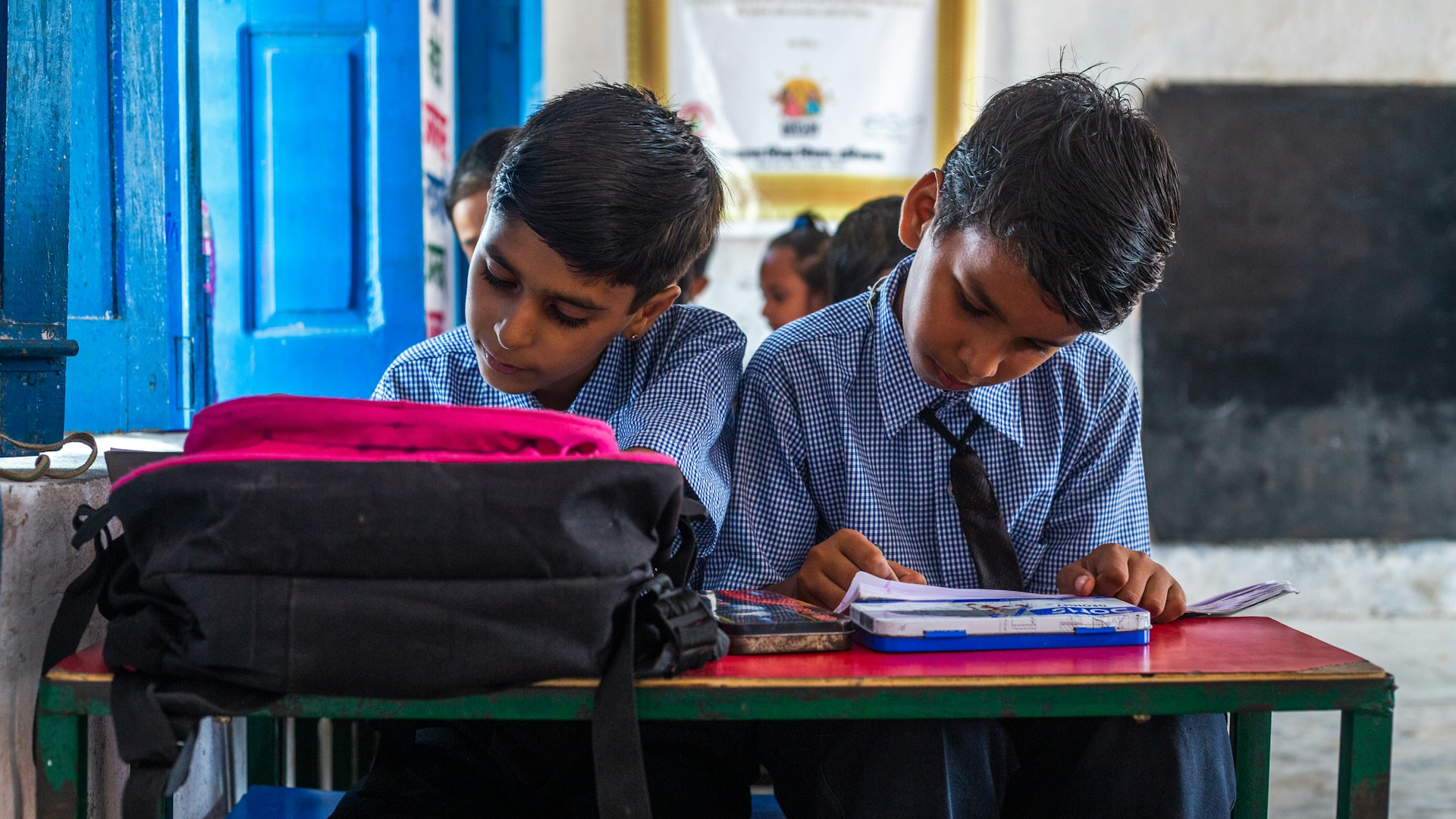
Current tools for behavioural observation
| Organization | Tool | Format | Administered by |
|---|---|---|---|
| WHO | WHO Disability Assessment Schedule | Standardised Questionnaire | Clinicians, Psychologists |
| UNESCO | Child Functioning Module (CFM) | Survey-based Screening | Teachers, Health Workers |
| UNICEF | Early Childhood Development Index | Structured Questionnaire | Community Workers, Teachers, Caregivers |
| OECD | PISA for Schools – Wellbeing Module | Self-report Questionnaire | School Authorities, Teachers |
Limitations of current tools
- • Observation methods lack scalability, relying on trained specialists who are scarce in low-resource and rural settings.
- • Questionnaire-based tools are prone to reporter bias, with educators and caregivers frequently under- or over-reporting observations.
- • Paper-based formats struggle with low literacy levels and fail to capture the full complexity of behavioural patterns.
- • Digital platforms require stable infrastructure and technically skilled personnel, barriers that most frontline schools cannot meet.
AI Driven Solution
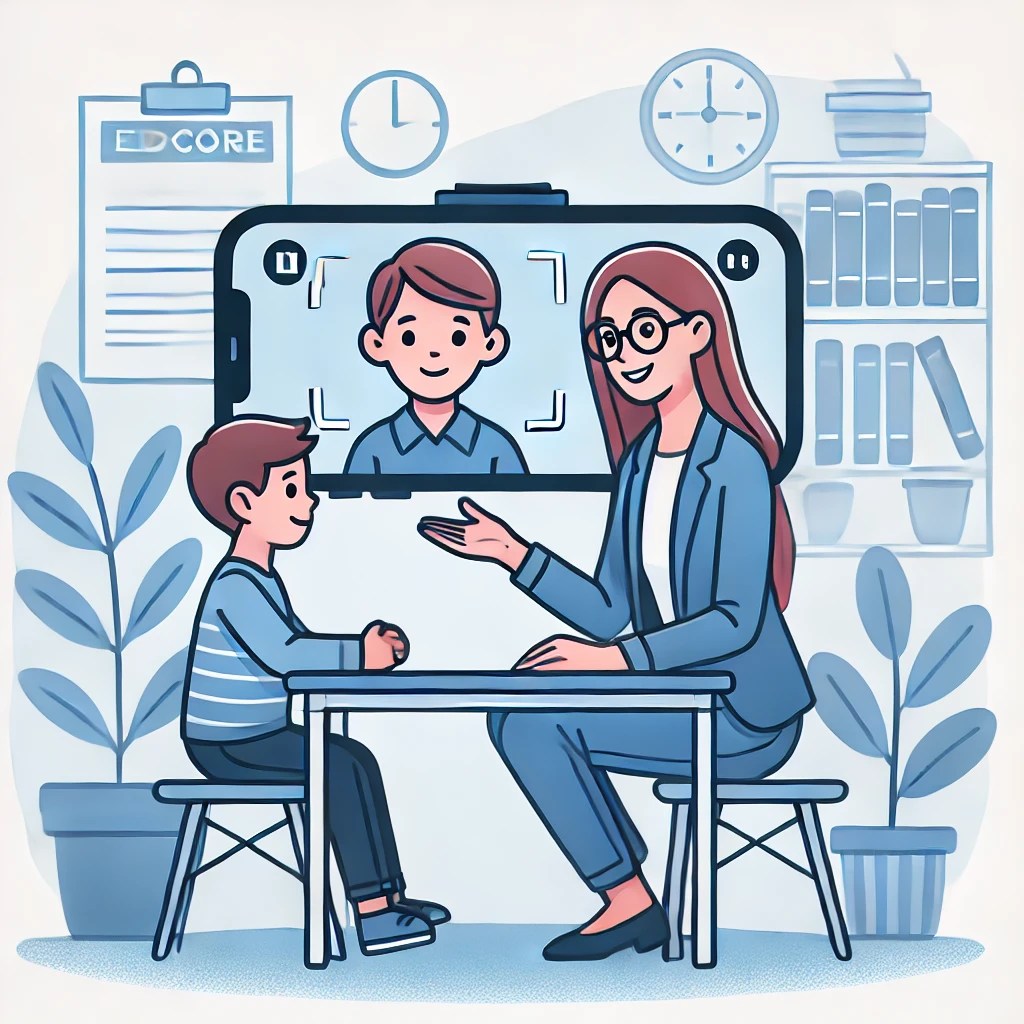
Multimodal behavioural analysis
Eye movement and gaze behaviour
Metrics: Blink rate, fixation duration, gaze shifts, gaze direction
Eye movement patterns reveal attention engagement during learning tasks. Analysis captures variations in blinking frequency, how long the child focuses on specific areas, and transitions in gaze direction.
These patterns help educators understand attention distribution, visual processing, and engagement levels during classroom interactions and learning activities.
Posture and movement patterns
Metrics: Body position, postural stability, movement frequency, gesture patterns
Body posture and movement analysis captures how children orient themselves physically during learning, including sitting stability, spontaneous movement frequency, and natural gesturing patterns.
These observations help educators understand motor engagement, self-regulation, and physical communication style during classroom interactions.
Speech characteristics and communication signals
Metrics: Speech rate, pitch variation, pause timing, fluency, vocalization patterns
Speech analysis examines how children communicate verbally, including their speaking pace, pitch variety, natural pauses, and overall fluency patterns during conversation and learning activities.
These patterns provide insights into language expression style, prosody development, and communication confidence in educational settings.
Get Early Access
Sunshine is currently available through selected pilots and research collaborations. Contact us to learn more or request access.
Theory of Change
Challenge
Children's developmental and educational support needs are often difficult to observe consistently across learning environments.
Approach
Provide accessible tools that help educators document behavioural observations using structured AI-assisted analysis.
Outcomes
Improved observation quality, stronger documentation and better-informed support planning.
Milestones
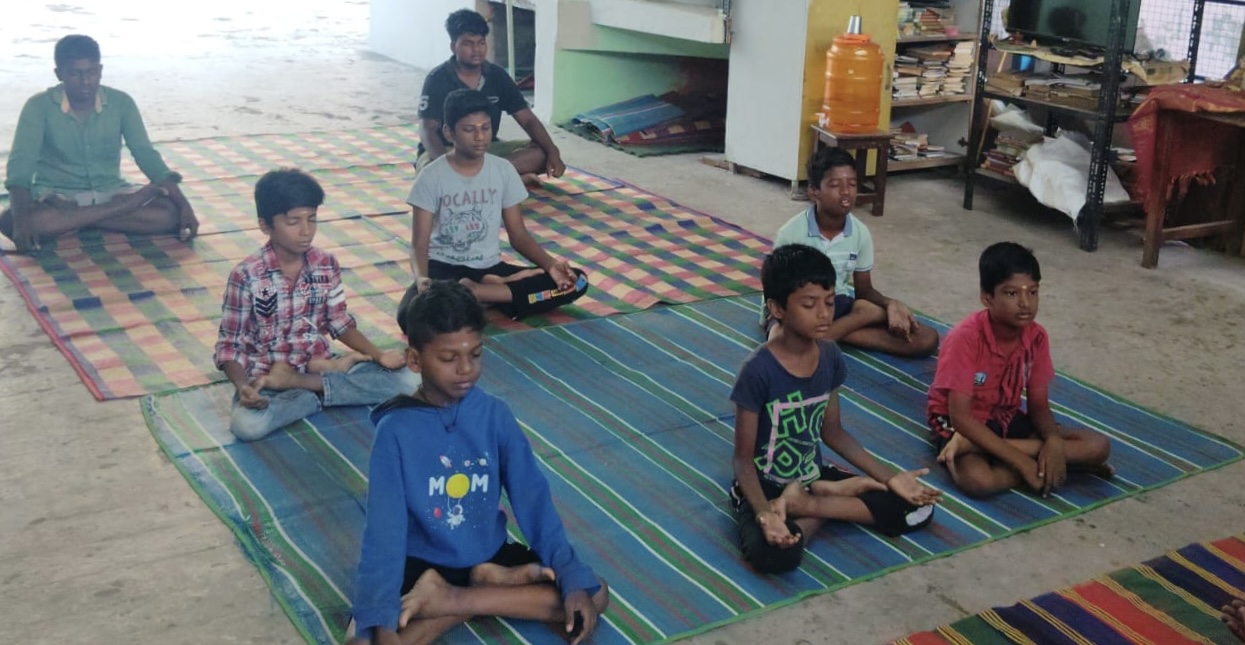
Next Steps
Landscape & Metrics of Impact
"Observation and documentation of children's development remain severely limited. Access to structured assessment tools for children in low-resource settings is practically non-existent" — Adapted from World Health Organization guidance
Cost per child of AI-assisted behavioural observation is $1.95 compared with $6.80 for specialist-led assessment.
Team

Anand Jeevanandham
Co-founder, Technology & Development
anandjeevanandham1@gmail.com

Gina Hafez
Co-founder, Therapist LPC GCDF
gina@syncotherapy.com

Sundararajan Krishnaswamy
Mental Health Researcher
rajansundar1@gmail.com